
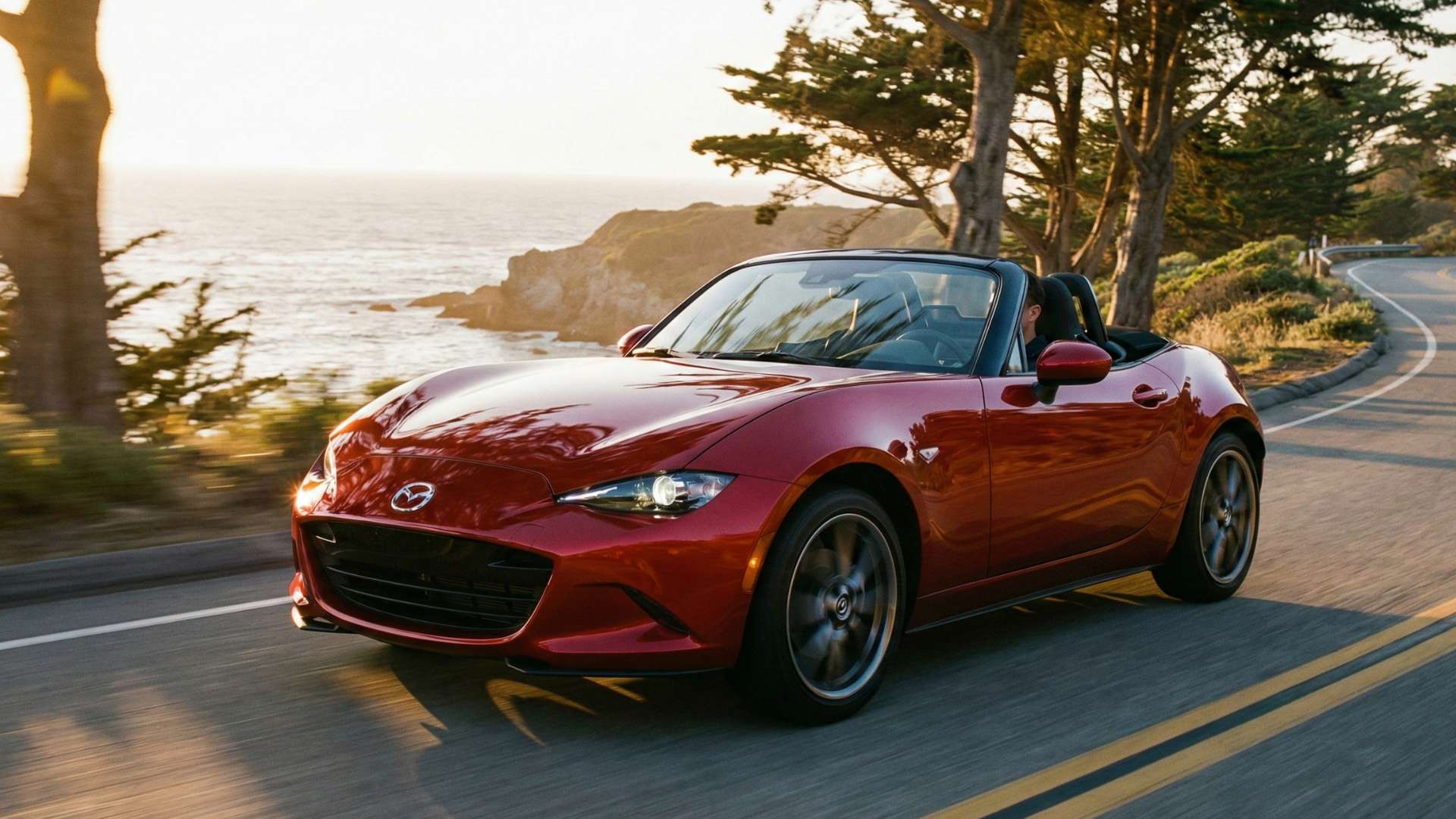
Park any Mazda Miata at a Cars and Coffee and watch who walks over. Teenagers. Retirees. Track rats. Nobody shrugs.
Then you try to buy one. Four generations, three names and nearly four decades of cars appear at once. A tired NA and a brand-new roadster share the same badge. Forums argue about everything.
This page untangles the whole Miata family. You will see what the Mazda MX-5 Miata really is. You will see how the generations differ and what the new car costs. You will also find which one fits the way you drive. Start with the basics.
In short: the Mazda Miata is the Mazda MX-5 as sold in North America. It is a light, rear-drive, two-seat roadster built in Hiroshima since 1989, across four generations: NA, NB, NC and ND. The 2026 model starts at $30,730 before destination, per Mazda USA. Pick a generation by how you drive, then buy on condition, not on year.
This page is the Miata overview: names, generations, the new car and how to choose. For the used fourth-gen ND1 vs ND2 decision, see our ND Miata buyer’s guide.
Last verified: October 2026
On this page
The Miata, in nine stops
Dark moduleLight moduleRed moduleInteractive
- 1What is the Mazda Miata?Layout, names, origin
- 2NA, NB, NC and NDThe four generations
- 3The 2026 MiataTrims and MSRP
- 4Which Miata to buyMiata finder
- 5Owning one in the USRust, drains, state rules
- 6Buying usedSeven checks, in order
- 7America’s default sports carRacing and community
- 8The NE MiataForecast
- 9One right car for youThe verdict
Not sure which Miata fits you? Answer three questions.
Open the Miata finderWhat Is the Mazda Miata?
Anatomy of the idea
Four ingredients, every generation
Same car, three badges
The Mazda Miata is a small two-seat convertible with the engine up front and drive at the rear. Mazda builds it as a lightweight sports car, not a muscle car. The whole recipe fits in one sentence: low weight, near 50/50 balance, a manual gearbox and an open roof.
Mazda calls the idea Jinba Ittai, the unity of horse and rider. On paper it sounds like marketing. In the first corner it becomes obvious.
One car, three names
In most of the world the car is the Mazda MX-5. In Japan it is the Roadster, and early cars wore the Eunos badge. In North America it is the Miata.
Mazda USA lists the car today as the MX-5 Miata. Enthusiasts here simply say Miata, whatever the year.
Each generation also carries a two-letter chassis code. NA, NB, NC and ND are the codes you see in listings, parts catalogs and racing rules. You will need them more than the model year.
Born in California, built in Hiroshima
The Miata is a Japanese car with an American origin story. In the early 1980s, Mazda USA planner Bob Hall pushed for a cheap, classic roadster. A new Mazda design studio in Southern California then shaped the front-engine, rear-drive concept that won an internal competition.
A running prototype was tested on roads around Santa Barbara before final approval. The car debuted at the Chicago Auto Show in February 1989. Mass production began that April at Mazda’s Ujina plant in Hiroshima, per Mazda.
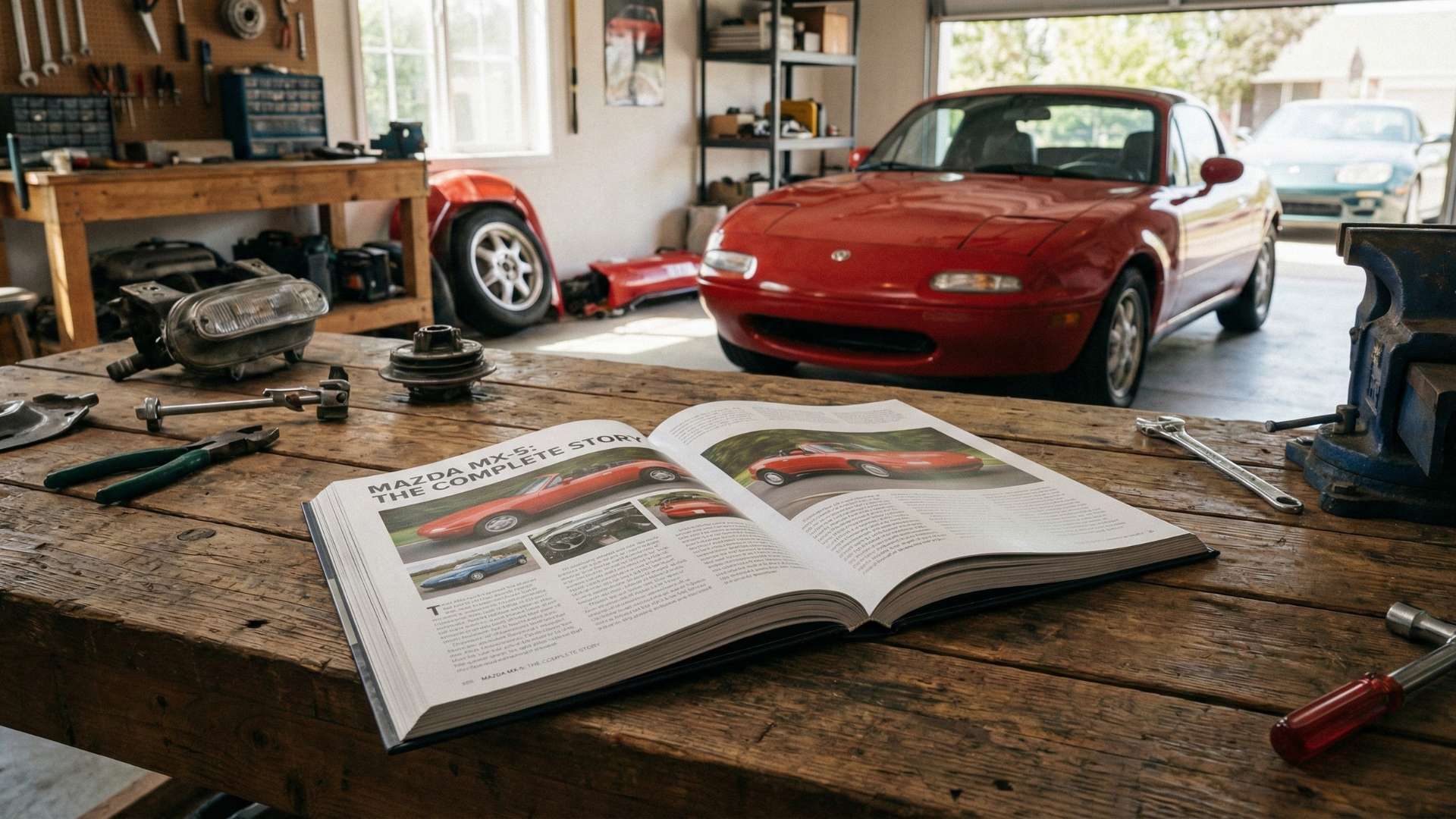
That history explains a lot. The brief was the classic British roadster, minus the breakdowns. The Miata still fills that role better than almost anything else on sale.
Light, not fast, and that is the point
Nobody buys a Miata for straight-line numbers. Modest power is the trade for low weight, and the whole car is tuned around it.
Modern testing confirms how the car is built. According to Edmunds (2026 Mazda MX-5 Miata review, 2026), its manual car hit 60 mph in 6.4 seconds. Edmunds still rated the driving experience 8 out of 10. It calls the open-top experience unmatched at its price point. The numbers are ordinary. The experience is not.
That gap between data and feel is the heart of the car. A Miata lets you use all of it on a normal road, at legal speeds. Faster cars rarely give you that.
Mazda Miata Generations: NA, NB, NC and ND
Production timeline and mid-life updates
Read listings by code, not by year. A mid-life update like NB2 or ND2 changes more than any single model year.
Four generations share one idea, yet they drive and age very differently. The table gives the quick map. Each generation then gets a short portrait and a link to its full buyer’s guide.
| Code | US model years | Engine (US) | Signature trait | Best for |
|---|---|---|---|---|
| NA | 1990 to 1997 | 1.6 L, then 1.8 L | Pop-up headlights, lightest feel | Purists, collectors |
| NB | 1999 to 2005 | 1.8 L, VVT from 2001 | Fixed lights, stiffer body, factory turbo option | Back roads, budget track cars |
| NC | 2006 to 2015 | 2.0 L | Roomiest Miata, folding hardtop | Daily drivers, taller owners |
| ND | 2016 to today | 2.0 L | Lighter again, modern safety, RF roof | Modern ownership, new-car buyers |
Production dates run slightly earlier than US model years. NA: 1989 to 1997. NB: 1998 to 2005. NC: 2005 to 2015. ND: since 2015.
NA Miata: the original
The NA is the car that restarted the affordable roadster. Pop-up headlights, a tiny cabin and very little weight define it. Early cars use a 1.6-liter engine, and the 1.8-liter arrived for 1994.
It is now a classic in age and in price behavior. Clean, original cars keep climbing, while tired ones stay cheap. The NA Miata buyer’s guide covers the crankshaft, rust and value details that decide a purchase.
NB Miata: the sharpened classic
The NB kept the NA’s proportions and changed its face. Pop-ups gave way to fixed headlights, because of stricter pedestrian safety testing. Mazda USA also lists slightly more power and a glass rear window in the soft top.

The 2001 refresh, known as the NB2, added variable valve timing and a restyled front and rear. The 2004 and 2005 Mazdaspeed version remains the only factory-turbocharged Miata. Our complete NB Miata guide maps every year and the rust checks that matter.
NC Miata: the grown-up
The NC is a clean break: Wikipedia notes it reused almost no NB components. It is larger, uses a 2.0-liter engine and is closely related to the RX-8. It also introduced the Power Retractable Hard Top, a folding roof that leaves trunk space alone.
For years forums called it too soft. Drivers who actually use one daily tend to disagree. The NC Miata guide explains why later cars are the smart buy.
ND Miata: the current car
With the ND, Mazda did something rare. It made the new car shorter and lighter than the one it replaced. Mazda USA puts the weight cut at 148 pounds or more.
Early ND cars, often called ND1, make 155 hp in the US. From 2019, the revised ND2 engine makes 181 hp and revs to 7,500 rpm, per Wikipedia. The Retractable Fastback, or RF, joined the range for 2017. The ND is still on sale new, which brings us to the showroom.
The 2026 Mazda Miata: What You Can Buy New
2026 MSRP ladder, Mazda USA
About $8,000 between the base soft top and the RF
Checked October 2026
Not included: $1,315 destination charge, taxes, title and dealer fees. Dealer prices vary.
The new car is the fourth-generation ND in its latest form. Every US car gets the 181 hp 2.0-liter engine and rear-wheel drive. A six-speed manual is standard on every trim.
Pricing is the first question most shoppers ask. According to Mazda USA (2026 Mazda MX-5 Miata, 2026), the Sport starts at $30,730. The Club starts at $34,230 and the Grand Touring at $36,030. The RF hardtop starts at $38,750. These figures exclude a $1,315 destination charge, checked October 2026. Dealer prices vary, so treat MSRP as a reference, not a final number.
Mazda lists a curb weight of 2,366 pounds for manual cars. EPA estimates come in at 29 mpg combined. Few sports cars combine that weight and that economy.
Sport, Club or Grand Touring?
The Sport is the purist’s starting point. It keeps the basics, including cloth seats, blind spot monitoring and CarPlay. It is also the simplest trim.
The Club is the driver’s trim. Edmunds names it its pick, citing the limited-slip differential and Bilstein shocks. Mazda’s optional package adds BBS wheels, Brembo brakes and Recaro seats.
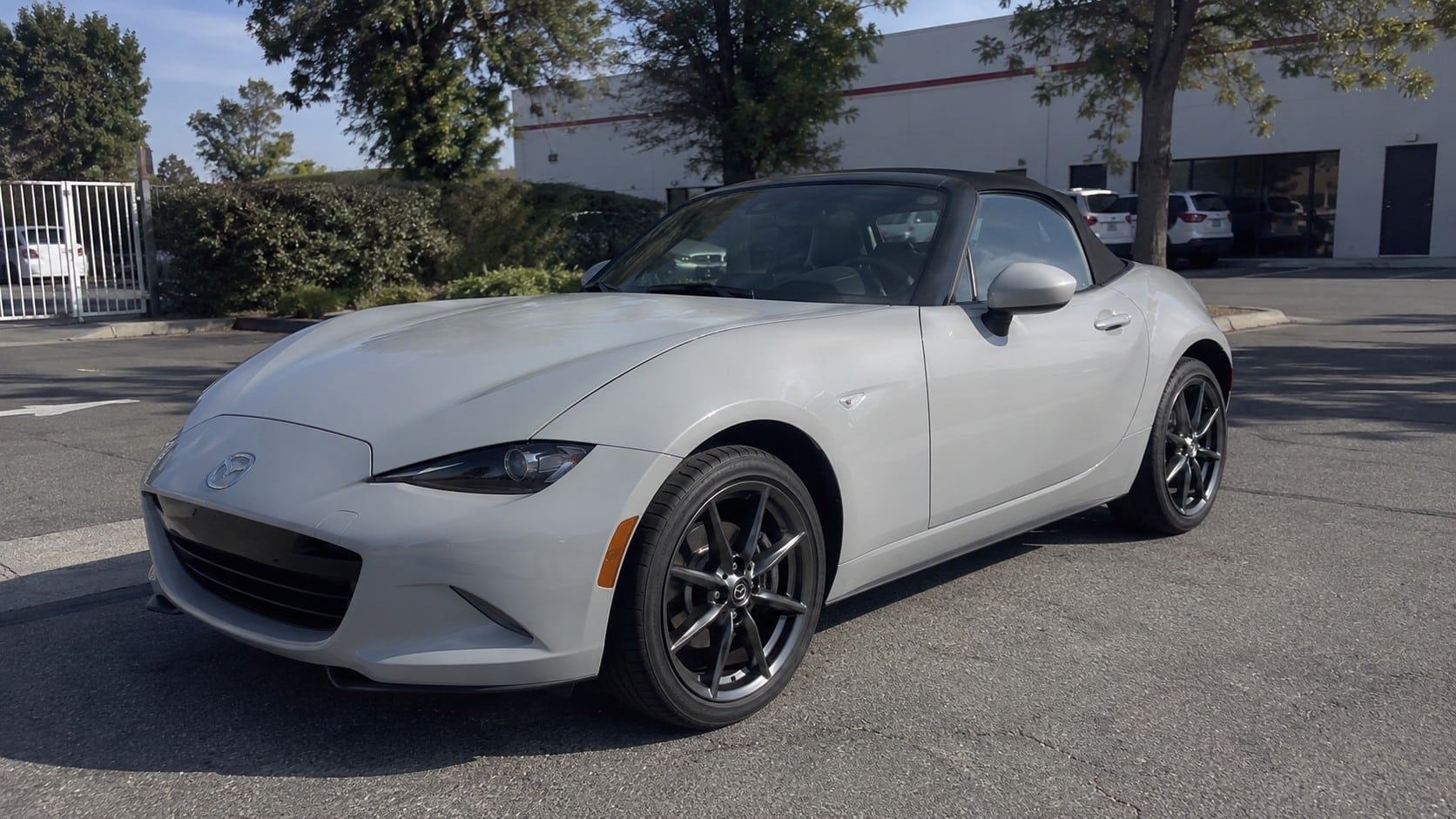
The Grand Touring leans toward comfort, with leather, automatic climate control and adaptive headlights. It is also the only trim offered with the six-speed automatic.
Case study: a buyer has roughly Club money and wonders whether a used ND2 Club makes more sense. Often it does, if the car has records and a clean underbody. The new car’s case is the warranty, the latest updates and zero history to investigate.
Soft top or RF?
The soft top is the classic Miata. It drops by hand from the driver’s seat in seconds. It is lighter, cheaper and simpler.
The RF trades a little weight for a power-folding hard roof and a quieter cabin. Mazda says the roof retracts in about 13 seconds. Our Miata RF buyer’s guide covers roof faults and the real price gap, new and used.
What about the 2027 Miata?
When we checked in early October 2026, Mazda USA still listed the 2026 model. No US pricing for a 2027 car had been posted yet.
Do not expect a new generation in 2027. The next Miata, covered further down, is still years away.
Which Mazda Miata Should You Buy?
Miata finder
Three questions, one direction
Pick how you drive, what you can spend and what matters most. The finder points to the matching section of this page.
NB2 Miata, 2001 to 2005
Stiffer than the NA, still raw and light. A strong back-road car on a mid-range budget.
MX5Global editorial rating, not a statistic. Budget tiers are relative: check current values in each generation guide.
The best Miata is the one that matches your roads, your budget and your patience. Generations matter less than buyers think. Condition matters more.
Here is the editorial view behind this whole page. The real trap is not choosing the wrong generation. It is choosing the right generation in the wrong condition.
Match the car to how you drive
Tight back roads and weekends: an NA or NB gives the purest feel. A sorted ND1 is the modern version of that idea.
Daily driving and highway miles: an NC from 2009 on or an ND2 makes life easier. More torque, more room and better seats all help.
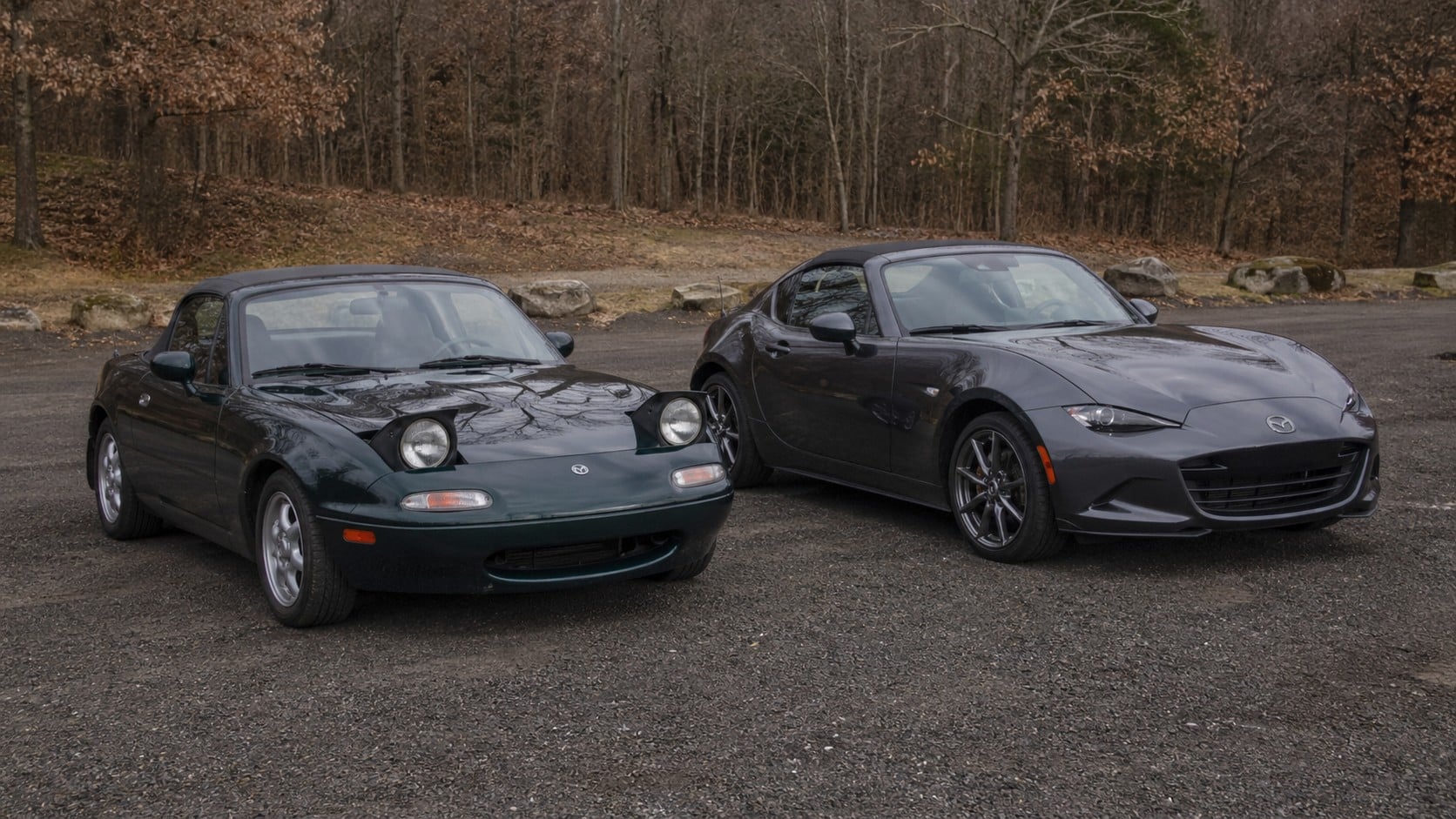
Autocross and track days: the NB and NA have the deepest racing parts support. The ND2 Club is the strongest stock starting point.
Collecting: stock, documented NAs lead, along with rare NB editions such as the Mazdaspeed. Originality is the whole game here.
Taller drivers: sit in the car before you shop. The NC has the most cabin room, and the ND2 added a telescoping wheel.
Use the finder result as a starting point. Two good examples of different generations beat one rough example of the “right” one.
Owning a Miata in the US: Reliability, Rust and Rules
Where water goes on a soft-top Miata
Clear drains, dry floors. Clogged drains, rotten rockers.
Same car, two climates
Bar shows relative structural rust risk. MX5Global editorial rating, not a statistic.
Rules are set by each state and change. Check your own DMV before buying across state lines.
Every generation shares a few truths. Learn them once and they apply to any used Miata you look at.
Mechanically tough, chemically vulnerable
Miata drivetrains have a strong reputation. Engines and gearboxes usually tolerate high mileage when fluids and belts were done on time. The weak points are rarely dramatic.
Age is the real enemy now. Rubber dries out, plastic radiator tanks turn brittle, and old bushings go soft. None of this ends a good car. It just belongs in your budget.
Rust is different. On older Miatas, structural rust can cost more than the car is worth. That is why it gets its own rule below.
Where the car lived matters more than its mileage
Profile type: a buyer in Columbus, Ohio, finds a cheap local NB with low miles. A similar car in Arizona costs more, plus shipping. The local car looks like the bargain.
It often is not. Twenty winters of road salt can hide rot in rockers and frame rails under fresh undercoating. The Arizona car may be structurally clean at twice the miles. Shipping costs less than structural repair.
Always ask which states a Miata lived in, not just where it is listed. Rust Belt history deserves a lift and a flashlight. Sun Belt history deserves a premium.
Roof, drains and the wet carpet
Every soft-top Miata sheds water through drains behind the seats. When leaves clog them, water sits inside the body. Wet carpet is often the first sign, and rust follows.
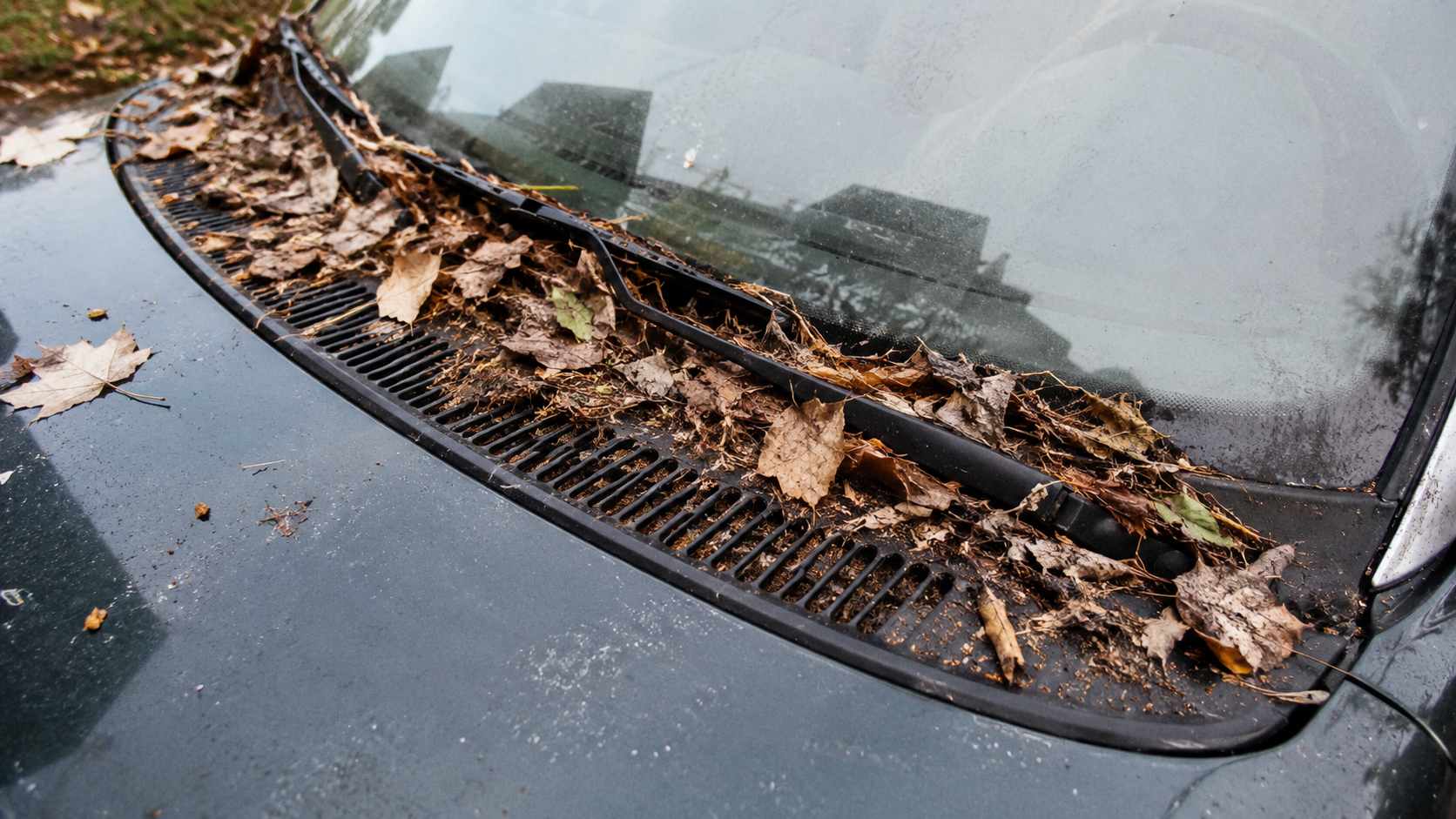
Clear the drains every fall and spring. If the fabric itself is done, a new top is a common job. Our guide to the NB Miata soft top explains materials, fitting and the leaks most installs miss.
Inspection, registration and insurance depend on your state
There is no national rule for older cars. Each state decides inspection and emissions testing, and the gaps are wide.
California’s DMV applies smog checks to gas cars from model year 1976 on, once they pass eight model years. Every NA, NB and NC qualifies. Texas ended safety inspections for non-commercial vehicles in 2025, per the Texas DMV. Some Texas counties still test emissions. Pennsylvania still requires an annual safety inspection.
Insurance follows the same logic. Collector policies with agreed value exist for clean, older Miatas. Usage and storage conditions vary by insurer, so compare them with a standard policy before you commit.
Buying a Used Miata: A Method That Works for Any Generation
Each generation has its own weak spots, covered in its guide. The order of checks, though, stays the same. Follow it and most bad cars filter themselves out.
- Ask where the car lived. Salt history changes everything that follows.
- Check the structure. Rockers, rear arches and, on the NB, front frame rails, ideally on a lift.
- Read the records. Timing belt, clutch and cooling work matter more than a fresh detail.
- Read the title. A salvage or rebuilt brand hurts resale and can complicate insurance.
- Run the VIN. Match it on the title, dash and door jamb, then check open recalls.
- Book an inspection. An independent shop near the seller beats any photo set.
- Price against sold results. Auction results are facts. Asking prices are wishes.
One detail on step five surprises buyers. NHTSA’s VIN recall lookup excludes safety recalls more than 15 years old, unless the manufacturer offers more coverage. On every NA, every NB and the early NCs, a “0 recalls” result says very little. Ask for dealer receipts instead.
Three mistakes that cost buyers money
Shopping by generation instead of by condition. Buyers fix on an NA or an ND2, then accept a weak example. A sound car of your second-choice generation beats a rotten one of your first.
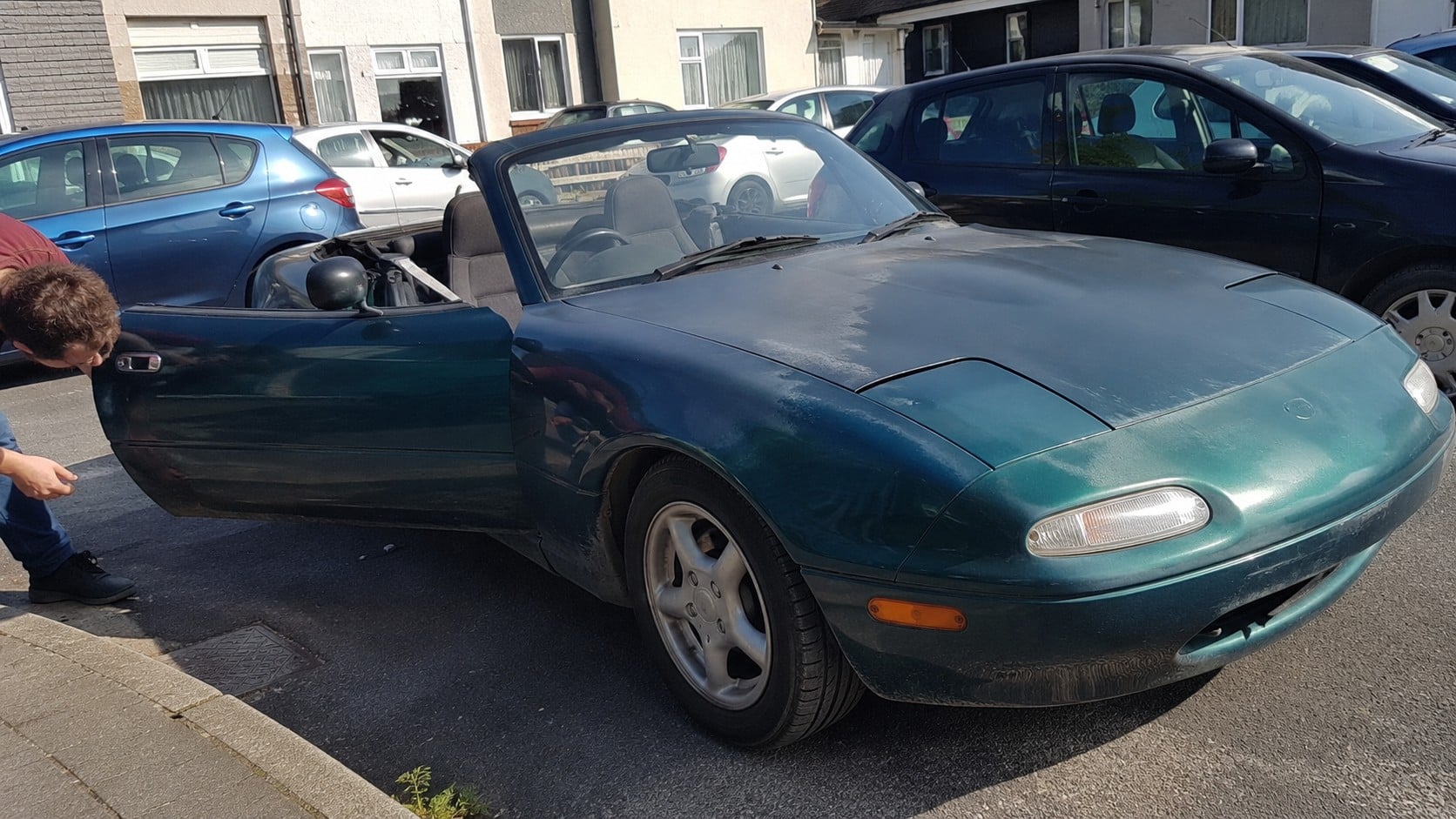
Treating low miles as proof of health. Many Miatas are weekend toys. A car that sat for years can hide dried seals, old tires and seized brakes. Mileage shows how much it was used, not how well it was kept.
Paying for badges and modifications without paperwork. Special-edition badges and aftermarket parts are cheap to fake. Without receipts or original documents, pay for an ordinary car.
Already scrolling listings?Our NB guide walks the full purchase, from reading an ad to VIN tools, fees and closing the deal.
See how to buy an NB Miata for saleWhy the Miata Became America’s Default Sports Car
The American Miata ladder
From a parking lot to a pro grid, on one chassis
The sales record behind it
The SCCA calls the Miata the most raced chassis in its competition.
The Miata is more than a model. For many US enthusiasts, it is the default answer to the fun-car question. The record books explain part of that.
Sales history backs the reputation. According to Mazda USA (Mazda Produces One-Millionth Mazda MX-5, 2016), Guinness World Records honored it in May 2000. It was the best-selling two-seat sports car, at 531,890 units. Production reached one million on April 22, 2016. The total has kept growing since.
The most raced car in club racing
The Sports Car Club of America describes the Miata as the most raced chassis in SCCA competition. Spec Miata, a low-cost class built around NA and NB cars, is one of its best-known classes.

The professional ladder starts there too. The Mazda MX-5 Cup is a pro spec series built on the current car. Many drivers begin in a used Miata at a local autocross.
An aftermarket built around one car
Few affordable cars have a parts world this deep. American specialists such as Flyin’ Miata, Good-Win Racing and 949 Racing build parts for specific generations. That support keeps 30-year-old cars running and makes upgrades predictable.
The social side matters as much. Club meets, Cars and Coffee mornings and track days all have Miatas in them. Buying one usually means joining a community, whether you planned to or not.
What Comes Next: The NE Miata (Forecast)
What is known, what is expected
The next Miata, on a realistic clock
Forecast
Light weight first, a naturally aspirated engine and a manual gearbox.
A 2.5-liter Skyactiv-Z engine, a weight target under one tonne (2,204 lb), possibly the last gas Miata.
The next generation is expected to carry the NE code. Everything below is forecast, not a confirmed specification. Mazda has not revealed the car.
Recent statements point to one more gas-powered generation. According to CarExpert (Next combustion-powered Mazda MX-5 could be the last, 2026), an executive hinted at one last gas MX-5. The hint came via Mazda Australia’s CEO. The same report counts 1.26 million MX-5s produced and sold as of August 2025. Mazda has also discussed a weight target under one tonne for the next car.
Reports expect a naturally aspirated 2.5-liter engine from Mazda’s new Skyactiv-Z family, with rear drive and a manual gearbox. Motor1 notes that this engine family debuts in a hybrid CX-5 in late 2027. Its reading: the next Miata is unlikely before 2028.
Should you wait for the NE?
Classic scenario: a buyer ready to purchase decides to wait for the next Miata. Two summers pass without a car. The new one still has no date or price.
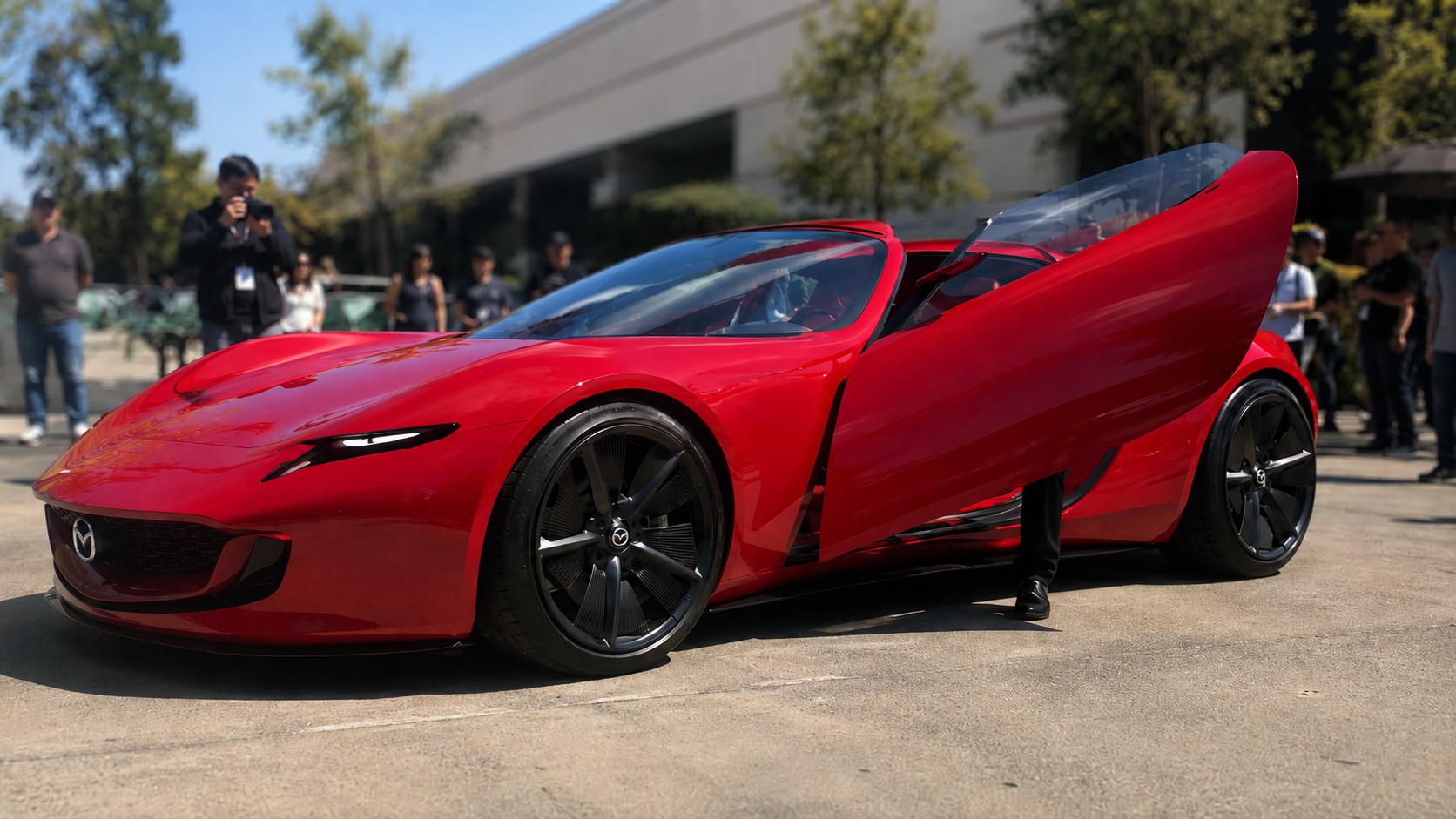
The current car is not going stale overnight. If you want a Miata now, the ND2 and the 2026 model are mature, sorted cars.
Waiting makes sense only if you truly want first-year ownership of an unknown car.
Your Most Common Questions About the Mazda Miata
Why is it called the Miata?
Mazda’s product planning chief for the project, Rod Bymaster, found the word in Webster’s Dictionary. It is listed as Old High German for “reward”. The name stuck for North America, while other markets kept MX-5 or Roadster. Today US paperwork reads Mazda MX-5 Miata, but owners almost always shorten it to Miata. Search either name and you will find the same car.
Which Miata years are best to buy?
Three ranges come up most among enthusiasts. The 2001 to 2005 facelift, explained in our NB2 Miata guide, adds variable valve timing. NC cars from the 2009 refresh on are the usual NC target. ND cars from 2019 got the 181 hp engine. Within any range, the best year is still the best-kept car you can find.
Manual or automatic Miata?
The manual is the default choice and the easier car to resell. On the current car, Mazda offers the automatic only on the Grand Touring trim. On older generations, automatic cars generally miss out on the limited-slip differential. Choose an automatic Miata only if you truly need two pedals, and expect to pay less for it.
Can a tall driver fit in a Miata?
Sometimes, and only a test sit tells you. Edmunds notes that drivers over six feet will feel limited headroom and legroom in the current car. Torso length matters more than overall height. The NC has the most cabin space, and the ND2 added a telescoping steering wheel. Sit in the exact car with the top up before you travel to buy it.
Is a Miata a good first sports car?
It is one of the best. Low power means you can explore the limits at sane speeds. Light weight keeps tires and brake pads lasting longer. The chassis talks clearly, so a first sports car teaches real driving skills. Start stock, add good tires and fresh brake fluid, then book an autocross. Power upgrades can wait.
Can you daily drive a Miata in winter?
Yes, with preparation, but salt is the real problem, not snow. A set of dedicated winter tires makes a big difference on a light rear-drive car. In Rust Belt states, rinse the underside often and keep the drains clear. Many owners store the car from December to March. An RF or a hardtop makes cold commutes far more pleasant.
Does a Miata hold its value?
Better than many cars, though it is not an investment. Clean, original older cars tend to hold value better than tired or heavily modified ones. A documented service history and dry storage protect Miata resale value more than any option. Buy one to drive, and treat any gain as a bonus.
One Name, Four Generations, One Right Car for You
The verdict, in buying order
Generation is a preference. Condition is the decision.
Light weight, rear drive, an open roof, since 1989. Every generation delivers it when the car is sound.
The Mazda Miata has kept one promise since 1989. Light weight, rear drive and an open roof, priced for normal people.
The hard part is not the generation. Decide how you drive, set a realistic budget, then buy the best-kept car in that range. Check where it lived, read its paperwork and look underneath before you talk price.
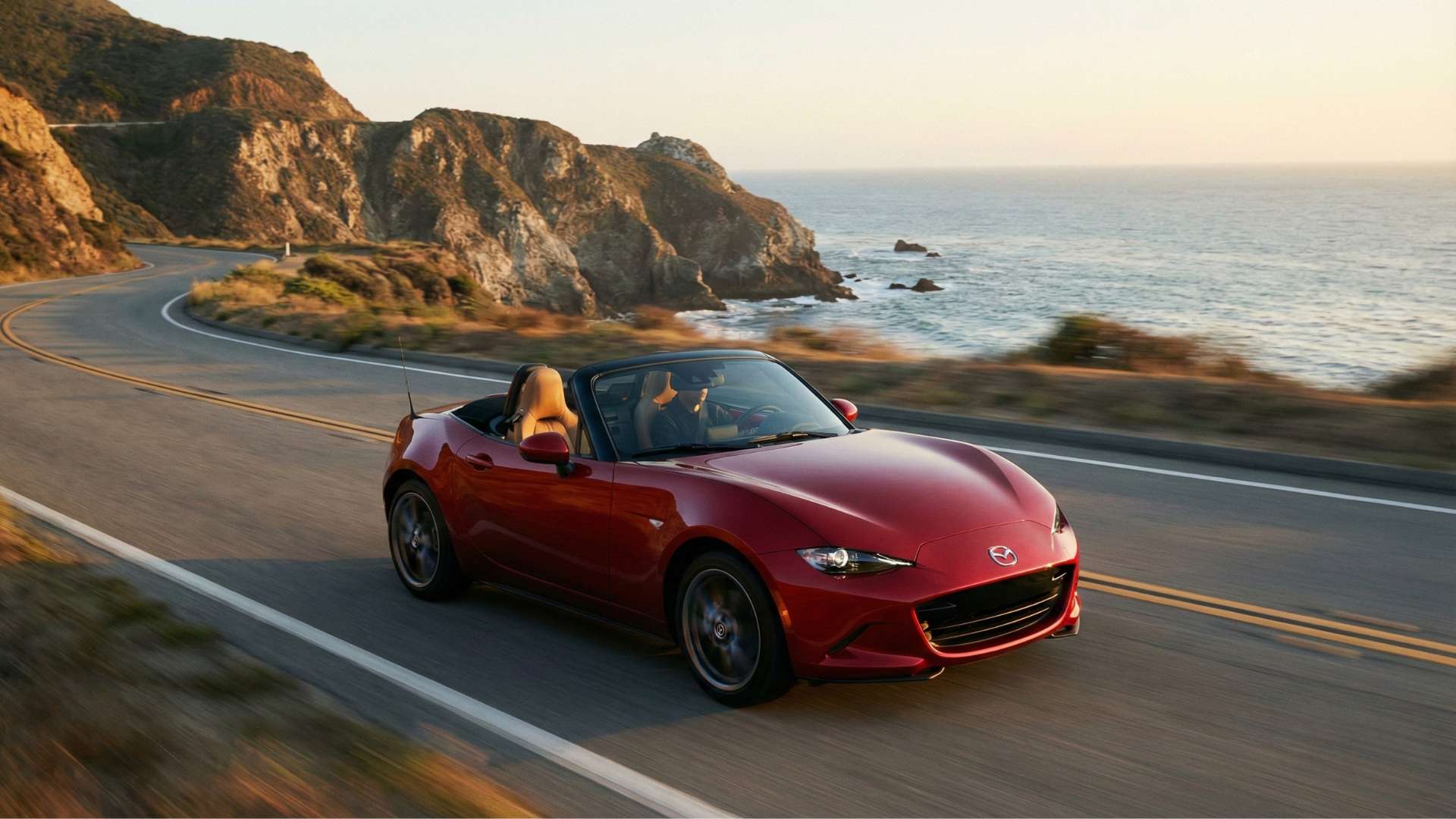
Do that, and any generation will reward you every time you take the long way home.
Still torn between pop-ups and more torque?Specs, values, rust traps and daily comfort, side by side.
Compare the NA and NB MiataSources
- Mazda USA , MX-5 Miata pricing, trims and specifications
- Mazda USA Newsroom , one-millionth MX-5 and Guinness record history
- Edmunds , Mazda MX-5 Miata test and trim recommendation
- CarExpert , next-generation MX-5 outlook
- Motor1 , next Miata engine and timing
- Sports Car Club of America , Miata racing classes explained
- Wikipedia , Mazda MX-5 history, naming and generations
- Wikipedia , ND Miata engines, dimensions and updates
- NHTSA , VIN recall lookup and its limits
- California DMV , smog inspection rules
- Texas DMV , end of safety inspections
- Pennsylvania DMV , annual safety inspection

Alan Chevereau, founder of MX5Global
Alan is an independent SEO consultant and a Mazda MX-5 owner. He launched MX5Global on November 17, 2025, as an independent site dedicated to the Mazda MX-5 Miata. Every guide is built from verified sources, current market prices and published owner reports.